
Welcome to PRiME, an EU initiative to bring media literacy into more primary schools
Co-funded by the EU, this two-year project offers a flexible framework based on a thorough needs analysis that will be tested in real classrooms.
Children spend an average of four hours a day on personal devices outside of school hours, according to a 2024 Qustodio report. This includes activities such as watching videos, playing games, and using social media. Despite this high daily exposure to digital environments from an early age, media literacy is taught unevenly in schools across Europe.
As a complement to our ongoing work addressing this gap, Lie Detectors has joined a new European project called PRiME, or Primary Information and Media Education, designed to strengthen media and information literacy in primary schools. Co-funded by the European Union under the Creative Europe call, the two-year initiative aims to provide more European children with the skills they need to navigate the digital information landscape safely.
Organisations from Austria, Belgium, Finland, Germany, and Spain have joined forces to identify the needs of centres and teachers in integrating media literacy into their curricula. These observations have led to the creation of a benchmarking document that includes existing best practices, as well as current legislation and useful frameworks for professionals.
Over two years, PRiME will use these insights to create a flexible media and information literacy framework for primary education, aligned with national and local contexts, and designed to systematically develop age-appropriate skills. The project will also train at least 50 teachers, and create a toolkit in up to seven languages with activities and resources so that any school can adopt the model.
Media Literacy seen as essential, but rarely implemented in curricula
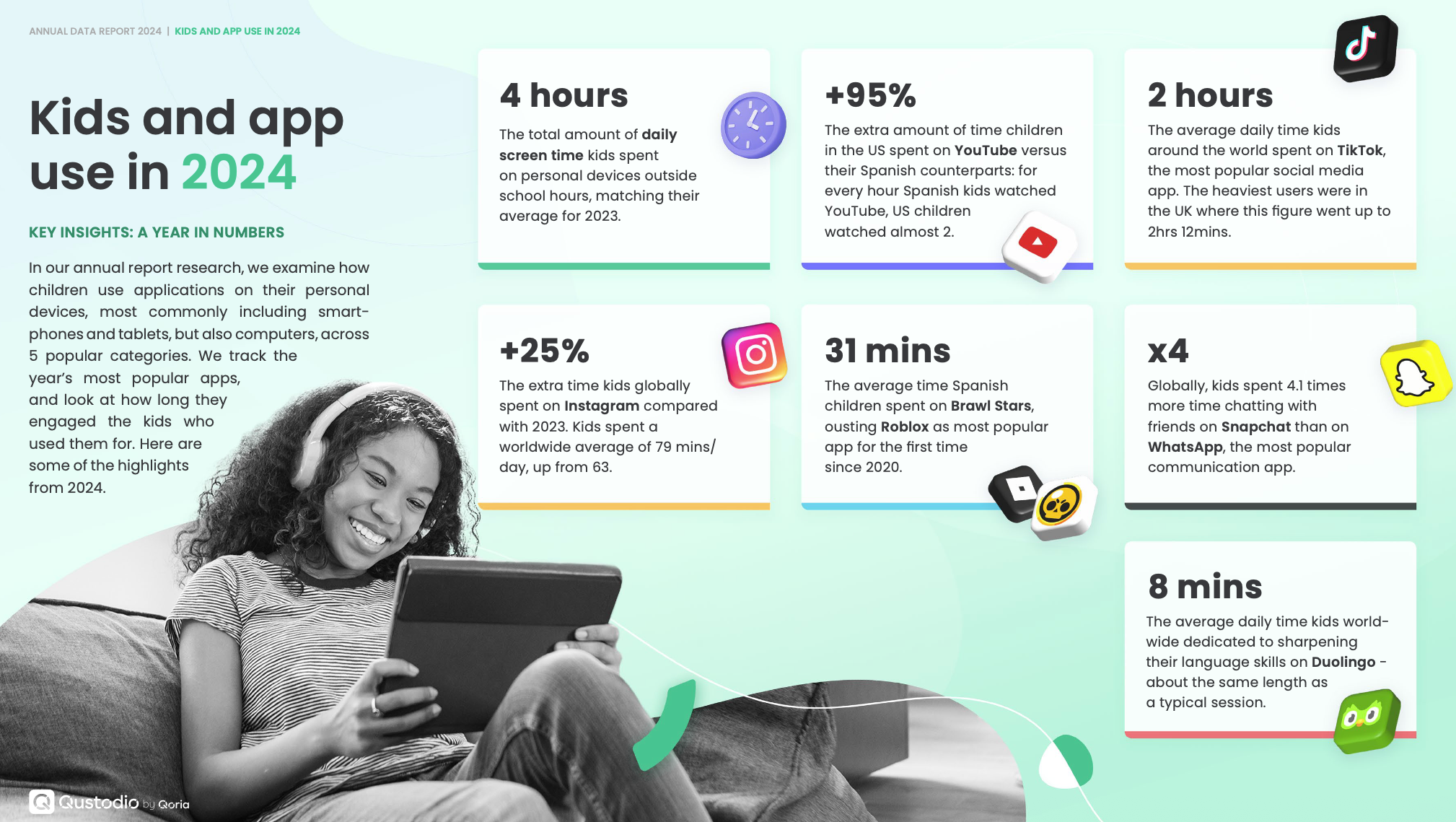
A 2024 report found that children spend an average of four hours a day on personal devices outside of school hours.
Throughout the first months of the project, the organisations have conducted research which concludes that although the primary education community considers media literacy to be essential, it is unevenly implemented in European schools.
The project benchmark also notes that media literacy is mostly taught informally across subjects, without a coherent, cross-curricular plan. In fact, only a few schools across Europe have specialised media literacy staff or coordinators. Furthermore, according to a study by the Finnish company DNA, it has been found that most initiatives focus solely on digital skills, neglecting critical thinking, ethics, and emotional aspects.
With this diagnosis on the table, and looking to offer a solution, PRiME brings together media literacy and fact-checking experts with in-depth knowledge of how disinformation works, and pedagogical innovators who develop new approaches to teaching critical thinking. Primary schools across Europe will test, adapt, and apply these approaches in real classrooms.
Watch this space for updates.